
As a person nears the end of life, their body undergoes many different changes. Some of the most visible changes happen in the skin: the color, texture, and temperature can change within days (or even hours). For caregivers, these changes may be unsettling, especially when they’re unexpected.
The good news is that most skin changes at the end of life are a normal, expected part of the dying process, not a sign that something has gone wrong or that your loved one is in pain.
This guide walks you through what to expect, why these changes happen, what effects they can have, and how you can help keep your loved one comfortable.
Important Takeaways
- Skin changes like mottled skin, pallor, and coolness are a normal part of the dying process and usually aren’t painful.
- Some pressure-related skin injuries can develop suddenly in the last days or hours of life and can help a care team recognize that death is nearing.
- Gentle repositioning, regular moisturizing, and frequent skin checks can help ease discomfort and protect your loved one’s dignity.
Common End-of-Life Skin Changes at a Glance
Skin Change |
What It Looks Like |
When It Typically Appears |
Is It Painful? |
|
Dryness |
Rough, flaky, or cracked skin |
Ongoing in the final weeks and days of life |
Can cause mild discomfort; relieved with moisturizer |
|
Bruising |
Purple, blue, or yellow discoloration from minor contact or spontaneous appearance |
Ongoing in the final weeks of life |
Usually painless |
|
Skin Tears |
Thin skin that separates easily, often with a visible flap |
Ongoing in the final weeks of life as skin becomes fragile |
Can be painful; requires gentle handling |
|
Pressure Ulcers (“Bed Sores”) |
Red, broken, or open sores on bony areas (like the heels, hips, elbows, and lower back) |
Develops over days with limited movement |
Can be painful; requires gentle wound care |
|
Pallor |
Pale or grayish skin, especially on the face and extremities |
Hours to days before death |
No |
|
Coolness |
Skin feels cold to the touch (especially the hands and feet) |
Hours to days before death |
No |
|
Cyanosis |
Bluish or purple tint, especially around the lips, nail beds, fingers, and toes |
Hours to days before death |
No |
|
Mottling |
Blotchy purple, blue, or red patches, often starting in the hands and feet |
Hours to days before death; often one of the last signs |
No |
What Do End-of-Life Skin Changes Look Like?
Skin changes can look different from person to person, and some become more noticeable as death gets closer. Here’s what to look for and what each sign typically means.
Pallor, Coolness, and Cyanosis
As circulation slows in the final hours or days of life, less oxygen-rich blood reaches the skin’s surface. This can leave the skin pale or grayish (pallor); cool or cold to the touch, especially in the hands and feet; and, in some cases, bluish around the lips, nail beds, or fingertips (cyanosis).
None of these changes are typically painful; they simply reflect blood being redirected to support the body’s essential organs.
Mottled Skin
Mottling is one of the most recognizable (and often one of the last) signs that death is near. It shows up as blotchy, irregular patches of purple, blue, or red discoloration, usually starting in the feet and hands and sometimes spreading toward the knees or elbows. Mottled skin before death happens because blood flow to the skin slows and pools in certain areas, rather than circulating evenly. Like pallor and coolness, it’s considered a normal, painless part of the body’s final transition.
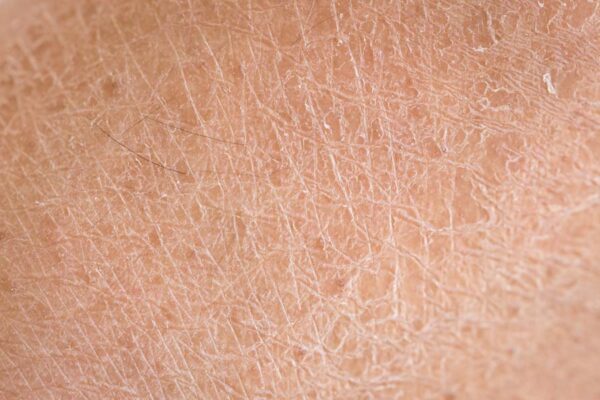
Dryness, Bruising, and Skin Tears
People often drink less liquid (or stop drinking entirely) during the dying process. Dehydration, end-of-life metabolic changes, and slowed oil production can all cause dryness, causing the skin to appear chapped, rough, flaky, or cracked.
At the same time, blood vessels become more fragile and the blood’s ability to clot declines, so bruises can form from very light contact (or seem to appear on their own) and take longer to fade. That same fragility makes the skin prone to tears, particularly during repositioning or routine care, so gentle handling is key.
Pressure Ulcers and Rapidly Developing Skin Injuries
Prolonged time in one position reduces blood flow to areas where bone sits close to the skin (the heels, hips, and lower back are common spots). This can lead to pressure ulcers, sometimes called “bed sores.” Near the end of life, these are difficult to prevent entirely, even with excellent care.
Kennedy Terminal Ulcers
A small number of pressure-related injuries behave differently and develop much faster. In the late 1980s, a nurse practitioner named Karen Lou Kennedy noticed that some nursing home residents developed skin breakdown, usually on the buttocks, and died within weeks. Her research found that just over half of residents who died with a pressure injury had developed it within six weeks of death.
These injuries, now called Kennedy Terminal Ulcers, sometimes appear so quickly that clinicians nickname them “3:30” lesions: A patch of skin that looks normal at the start of a nurse’s shift can visibly change by the end of it. When a lesion develops this fast, it can signal that death may follow within as little as a day.
Trombley-Brennan Terminal Tissue Injury
A related but distinct pattern, Trombley-Brennan Terminal Tissue Injury, can appear in areas that aren’t under pressure, such as the front of the legs. It tends to appear closer to the very end of life.
Both types of injuries vary in shape and location: some are symmetrical pear- or butterfly-shaped patches over the lower back, while others appear on just one side of the body. Researchers believe they’re triggered by the same drop in blood flow that drives other end-of-life skin changes, though not everyone who is dying develops them.
When Skin Changes Signal That Death Is Near
Recognizing these different patterns helps a care team gauge how close death may be. Kennedy Terminal Ulcers tend to appear days to weeks beforehand, while Trombley-Brennan injuries and signs like mottling, coolness, and cyanosis more often show up in the final hours to days.
These signs give the care team a chance to prepare family members for what’s ahead and support them through anticipatory grief, rather than catching them by surprise.
What Causes Skin Changes at the End of Life?
Several factors can affect the skin as the body nears the end of life:
Aging
The skin changes as we age. It thins, loses elasticity, and produces less natural oil. This is part of why older adults bruise more easily and heal more slowly, even outside of end-of-life care.
Circulatory Changes
As the body shuts down, it prioritizes getting oxygen to vital organs (the heart, lungs, and brain). To do this, it pulls blood away from the skin and other outer tissues. This reduced blood flow can cause pallor, mottled skin, and a higher risk of pressure ulcers.
Dehydration
Dehydration is common at the end of life due to decreased fluid intake, increased fluid losses, and metabolic changes. This often leads to dry, cracked skin.
Poor Nutrition
People often experience reduced appetite and decreased food intake toward the end of life. Poor nutrition can weaken the skin’s structure and slow wound healing, making it more susceptible to pressure injuries and trauma.
Certain Medications
Some drugs affect the skin directly. They may decrease skin integrity and moisture levels or reduce blood clotting. Blood thinners (anticoagulants), for example, can increase the risk of bruising and bleeding. Diuretics may contribute to dehydration and electrolyte imbalances.
Limited Movement
Limited mobility can worsen circulation issues and increase the risk of pressure ulcers and skin tears. Individuals who are bedridden or who use a wheelchair are at a higher risk of skin breakdown due to long-term pressure and lack of movement.
Skin Failure
In some cases, patients develop “skin failure”: sudden, unusual-looking skin changes that happen during the end stage of the dying process. An expert panel formalized this idea in 2009 in a framework they named SCALE (Skin Changes At Life’s End).
They explained that skin failure develops when the skin’s integrity is compromised by:
- Reduced blood flow to the skin and underlying tissue
- Decreased resilience to bumps and pressure
- Decreased ability to clear waste from cells
Not everyone develops skin failure, and those who do may develop it even with optimal care.
How Skin Changes Can Affect Families Emotionally
Watching a loved one’s skin change can be one of the harder parts of this stage. It’s a visible, tangible reminder that death is near, and it can bring up fear, sadness, or helplessness even when you understand it’s expected. The discomfort and pain sometimes associated with skin changes can also exacerbate a loved one’s emotional distress and affect their overall well-being.
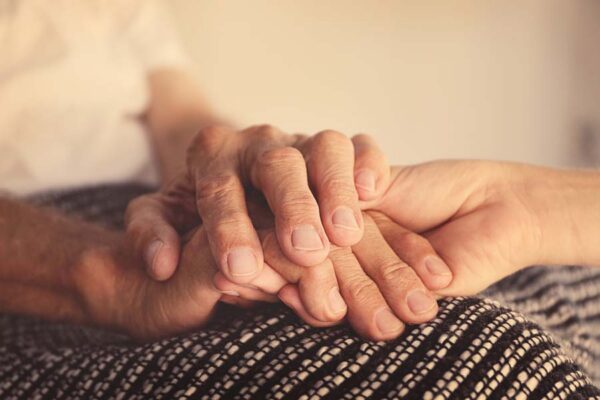
Talking openly with your loved one and their care team about what you’re seeing is essential. Open, honest communication helps the care team coordinate care among healthcare professionals, including nurses, wound care specialists, and palliative care teams.
Your hospice care team can also offer emotional support alongside practical guidance. Knowing that these changes are a normal part of the process, rather than a sign of unmanaged pain or poor care, can help bring relief.
How Caregivers Can Help Manage Skin Changes at the End of Life
You don’t need medical training to make a meaningful difference in your loved one’s comfort. A few simple habits go a long way.
Read more:
Moisturizing
A gentle, fragrance-free lotion applied after bathing can help with dryness. Follow moisturizer with a thicker emollient, such as petroleum jelly, to seal in moisture and provide more protection and relief.
Repositioning
Frequent repositioning can help reduce the risk of pressure ulcers. Using a supportive pad or cushion under bony areas can also help relieve discomfort at pressure points.
Remember: Communicate with your loved one and their care team to determine their comfort and care priorities. Are they open to repositioning to help prevent pressure ulcers? Or, if repositioning is disruptive and painful, would they prefer more frequent skin checks or cushioning under pressure points?
Gentle Handling
Fully support the limbs when moving your loved one, and avoid pulling or dragging skin across sheets, which can cause tears.
Protecting Against Prolonged Moisture
If your loved one is experiencing incontinence, a protective ointment can help shield the skin from irritation. Use mild soap when bathing, and dry skin folds thoroughly to prevent irritation.
Supporting Nutrition and Hydration
Appetite naturally declines near the end of life. However, you can offer a loved one small amounts of food or fluids (never forcing) to support nutrition and keep them as hydrated as possible.
Remember: Consult the hospice care team before attempting to give food or liquids. They will determine the safest option for your loved one depending on their needs and abilities.
Alleviating Discomfort
If a skin change seems to be causing pain, ask your loved one’s care team about both medications and non-drug options, like gentle massage or warm compresses.
Skin Checks
Check the skin several times a day, paying close attention to bony areas and spots where the skin folds or rubs against itself. Let the care team know right away about any new redness, open skin/injuries, or signs of infection.
Wound Care
Follow all wound care protocols recommended by the hospice care team for pressure ulcers, skin tears, and other skin injuries to promote healing and prevent infection.
Preserving Dignity and Comfort
Skin changes can leave a person feeling exposed or self-conscious, so how care is delivered matters as much as the care itself.
Keep bathing and skin care as private as possible, explain what you’re doing before you do it, and involve your loved one in decisions whenever they’re able to participate. Small, personal touches like a favorite lotion, a familiar routine, or quiet conversation during care help preserve a sense of self even as the body changes.
You Don’t Have to Navigate This Alone
Skin changes at the end of life can be difficult to witness, but understanding what’s happening (and why) can ease some of the uncertainty.
At The Connecticut Hospice, our interdisciplinary team is here to guide you: answering questions, checking in on your loved one’s comfort, and offering wound care support alongside the day-to-day care you provide.
If you’re caring for someone showing these changes and have questions, reach out to our team. You don’t have to figure it out on your own.