

When a loved one reaches the final stages of illness, one of the most important choices to make is where that care takes place. For many families, the answer is home. End-of-life hospice care at home allows individuals to remain in a familiar, comforting environment, surrounded by the people and memories that mean the most, while also receiving vital care and support.
At The Connecticut Hospice, we know that caring for a loved one at home is both an act of love and a significant responsibility. Our team is here to guide, teach, and support families through every step of that journey.
Read on to learn more about hospice home care, including how it works, what services are involved, and why it may be the right option for a loved one nearing the end of life.
Important Takeaways
- Hospice home care helps families provide comfort at home. The Connecticut Hospice’s team supports families with expert guidance, regular nursing visits, and 24/7 access to care, so patients can remain at home surrounded by love and familiarity.
- Caregivers receive education, guidance, and support. From medication management to resources and counseling, hospice care empowers families to care for their loved one with confidence while knowing help is always close by.
- At-home hospice offers flexibility and peace of mind. Medicare-covered respite care (short-term inpatient hospice stays) allows families to take breaks from caregiving when rest and recuperation are needed.
What Is At-Home Hospice?
Hospice home care provides comprehensive medical, emotional, and spiritual support for patients with life-limiting illnesses who are seeking palliative (comfort-based) care, rather than curative treatments. At-home hospice care is delivered wherever the patient lives. That may mean a private home, an assisted living community, or a skilled nursing facility.
Medicare’s hospice benefit covers care in any of these settings. Patients receive expert attention and comprehensive services, including nurse and physician visits, medications, medical equipment, and emotional and spiritual care. Although room and board are not covered (families remain responsible for housing or facility fees), all hospice care itself is fully covered under Medicare.
How Hospice Home Care Works
In residential hospice care, the family provides most of the daily, hands-on care, while the hospice team serves as their support system. Patients are almost exclusively cared for in the comfort of their own homes, while an interdisciplinary team of physicians, nurses, aides, social workers, and other specialists works together to guide and support the family through every stage of the process.
Hospice Home Care Services
From the beginning, the hospice team focuses on helping families feel prepared and confident. Nurses visit regularly to check on the patient’s condition, teach caregivers how to manage medications, and offer comfort measures for pain and symptoms. Between visits, families can reach Connecticut Hospice’s 24/7 phone line at any time for help or reassurance—whether it’s a question about medication, a sudden change in condition, or the need for emotional support.
Each care plan is designed around both the patient’s needs and the family’s wishes. In addition to medical and nursing services, Connecticut Hospice provides:
- Personal care and daily support. Hospice aides assist with bathing, dressing, and other personal care tasks. Their visits help patients remain comfortable and give caregivers a brief moment to rest.
- Social work services. Every family meets with a hospice social worker within the first few days of admission. These visits often address practical concerns—advance directives, funeral arrangements, or financial questions—as well as emotional and bereavement support, which continues for 13 months after a loved one’s passing.
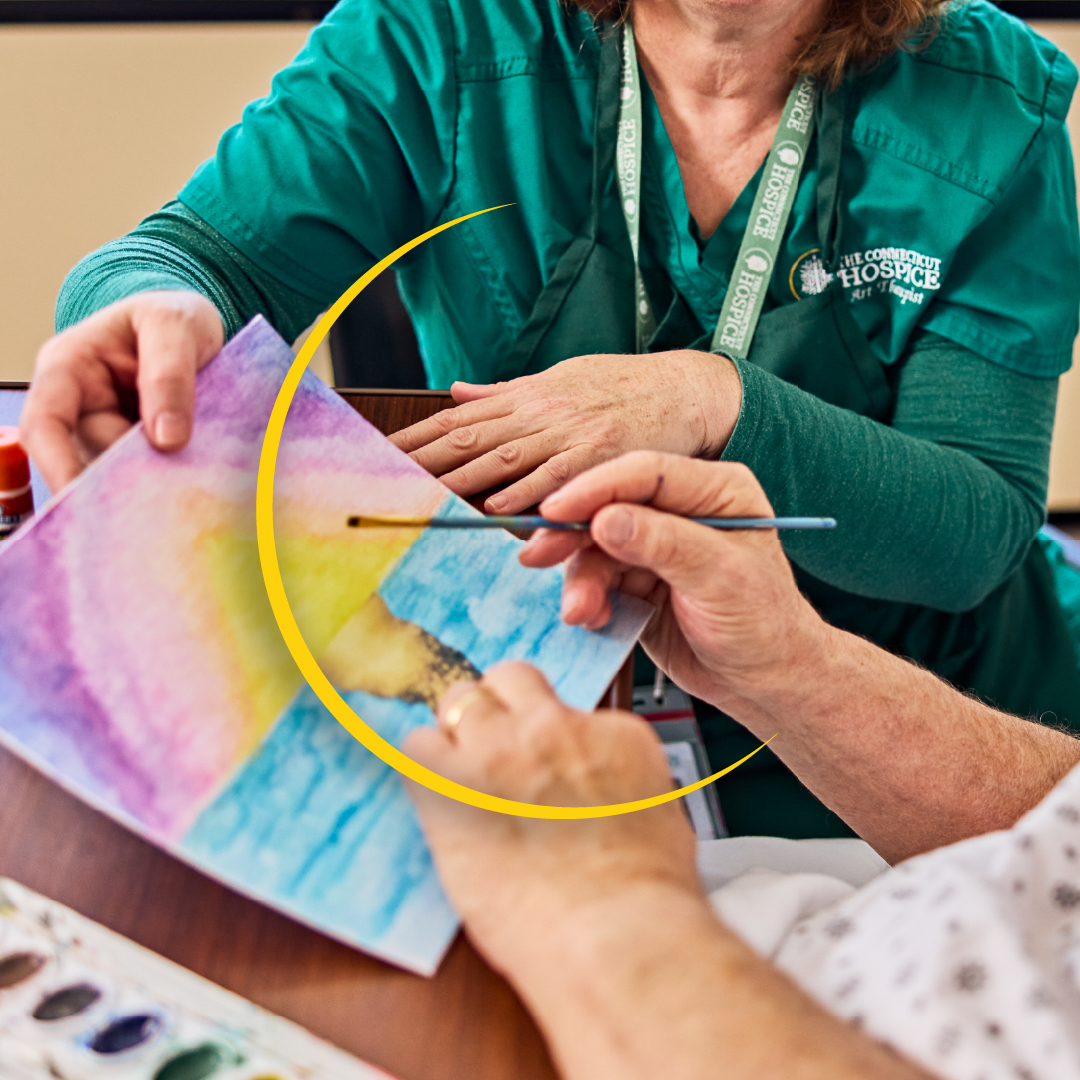
- Spiritual and emotional care. Our pastoral and chaplaincy team offers support for patients and families of all faiths and traditions. We also provide creative therapies, including art and music therapy, either in person or virtually.
- Respite care for caregivers. When symptoms become difficult to manage at home or caregivers need a short period of rest, Connecticut Hospice can arrange for short-term inpatient or respite care. These temporary stays are covered under Medicare’s hospice benefit.
- Volunteer support. Trained volunteers provide companionship, help with errands, and sit with patients to offer comfort and connection.
Families also receive a “comfort pack,” which includes medications for pain or other symptoms that may arise during a patient’s care. Hospice nurses explain how and when to use these medications, so families feel confident managing care between visits.
Through this shared approach, patients receive skilled medical care while remaining in familiar surroundings. For families wondering why to choose at-home hospice, the answer often lies in that balance: professional guidance and personal comfort, working together to bring peace and dignity at the end of life.
Why Choose At-Home Hospice?
Choosing end-of-life hospice care at home is a deeply personal decision. Many factors come into play when considering different care settings, including a loved one’s wants and medical needs, as well as family members’ capacity for caregiving.
For many patients and families, residential hospice care offers the comfort of familiar surroundings and the reassurance of compassionate, expert support. It allows patients to remain where they feel most at ease, surrounded by loved ones, while still receiving the full scope of medical, emotional, and spiritual support central to hospice care.
Comfort and Familiar Surroundings
Home is often where people feel safest and most at peace. As cited in The New England Journal of Medicine, most people prefer to die at home. And in 2017, the home surpassed hospitals as the most common setting of death (31% vs. 30.7%) for the first time since the early 1900s.
Being in a familiar environment—one with cherished memories and personal items—can ease anxiety and bring significant comfort. For many, home simply feels like the right setting for the final chapter of life, offering both dignity and a sense of belonging.
Time and Connection With Loved Ones
At-home hospice care allows families to spend more meaningful time together. Without the restrictions or routines of a hospital setting, loved ones can share meals, memories, laughter, and the comfort of each other’s company during an otherwise challenging time. Some family members also find that taking an active role in caregiving strengthens their bonds and helps them feel more present with their loved one.
Education and Empowerment
One of the most essential benefits of hospice home care is education. The hospice team teaches family caregivers the skills they need to provide care safely and confidently—everything from administering medications to offering comfort during periods of pain or agitation. They also answer the family’s questions and guide them through the progression of their loved one’s illness, helping caregivers feel informed and capable in the face of changes.
Respite Care and Support
Caring for a loved one can be emotionally and physically demanding, and caregivers sometimes need time to rest and recover. The Connecticut Hospice provides short-term respite care during those times, giving families a chance to recharge while knowing their loved one is in skilled, compassionate hands.
Covered under Medicare’s hospice benefit, these stays provide up to five consecutive days of inpatient care before the patient returns home. This balance of dedicated support and the ability to continue care at home is one of the reasons many families choose residential hospice care.
Find Care That’s Right for You
At-home hospice care allows patients to remain in the place they know best, surrounded by comfort, love, and familiar routines, while receiving the full support of a skilled hospice team.
At The Connecticut Hospice, we believe that compassionate, expert care can make this stage of life more peaceful for both patients and their families. Through education, guidance, and around-the-clock support, our team ensures that no family walks this path alone.
If you are exploring residential hospice care or end-of-life hospice care at home for a loved one, our team can help you understand your options and determine the best setting for your family’s needs.
To learn more about residential hospice care, reach out to The Connecticut Hospice today.