
“A young lad stands!” exclaimed an individual living with dementia, as they translated the first line of their favorite song, “Tumbalalaika” during a music therapy session. In that moment, one with such limited speech prior to engaging in the music, was able to not only sing along, but translate a lyric from Yiddish to English.
Music Therapy and Memory Connection
As a budding music therapy student at Berklee College of Music, this became a formative experience for Hannah Righter, now the Director of Arts at Connecticut Hospice. To see firsthand the impact music can have on reconnecting individuals to the present moment – so much so that they are able to engage in ways they could otherwise not due to disease progression – was truly eye-opening.
Since then, there have been numerous studies conducted supporting the global neurological engagement that takes place even while passively listening to music (Toader et al., 2023). When combined with the strong emotional connection many have with music, this results in the ability to use music to bypass damaged areas of the brain. This is paramount for individuals diagnosed with dementia, who, through music, can connect with their loved ones in meaningful ways.
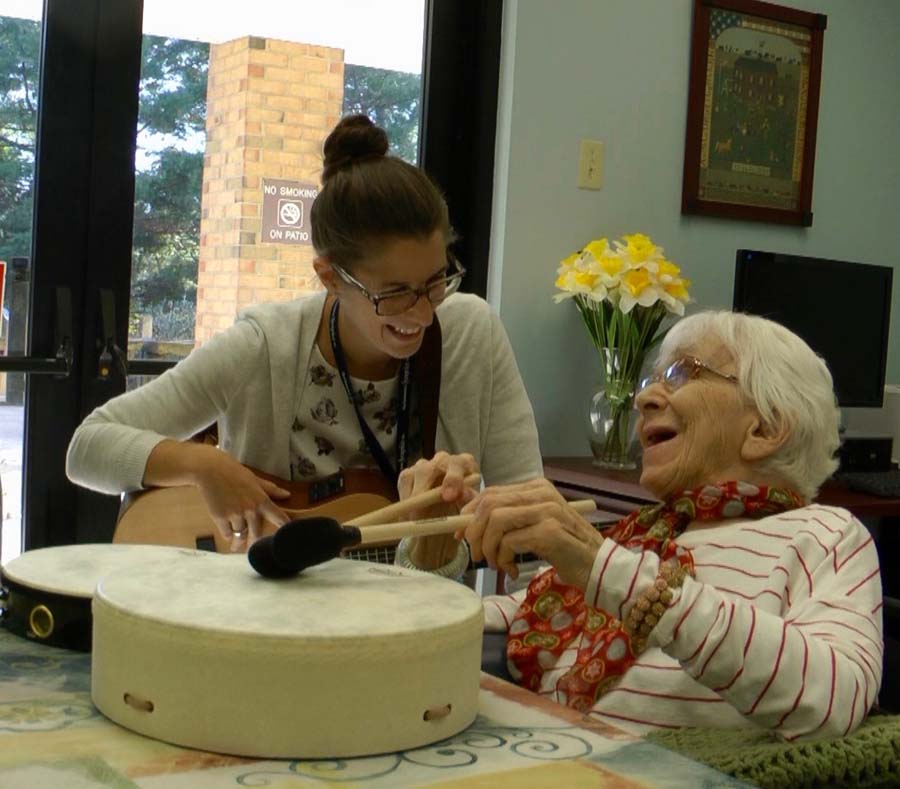
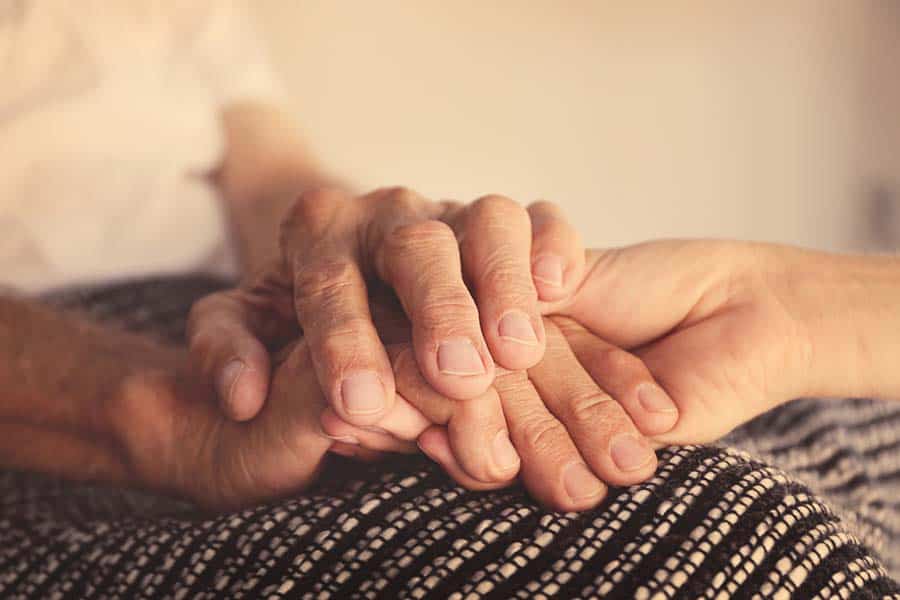
The responses evoked by the music might not always be as grandiose as regaining the ability to translate from one language to another. Sometimes, it may be as seemingly subtle as tapping to the beat or maintaining eye contact. Yet, each of these moments can be just as profound as the next. It’s these interactions that highlight the power of the arts in fostering connection, even when verbal communication becomes more difficult.
Integrating the Arts into Hospice and Palliative Care
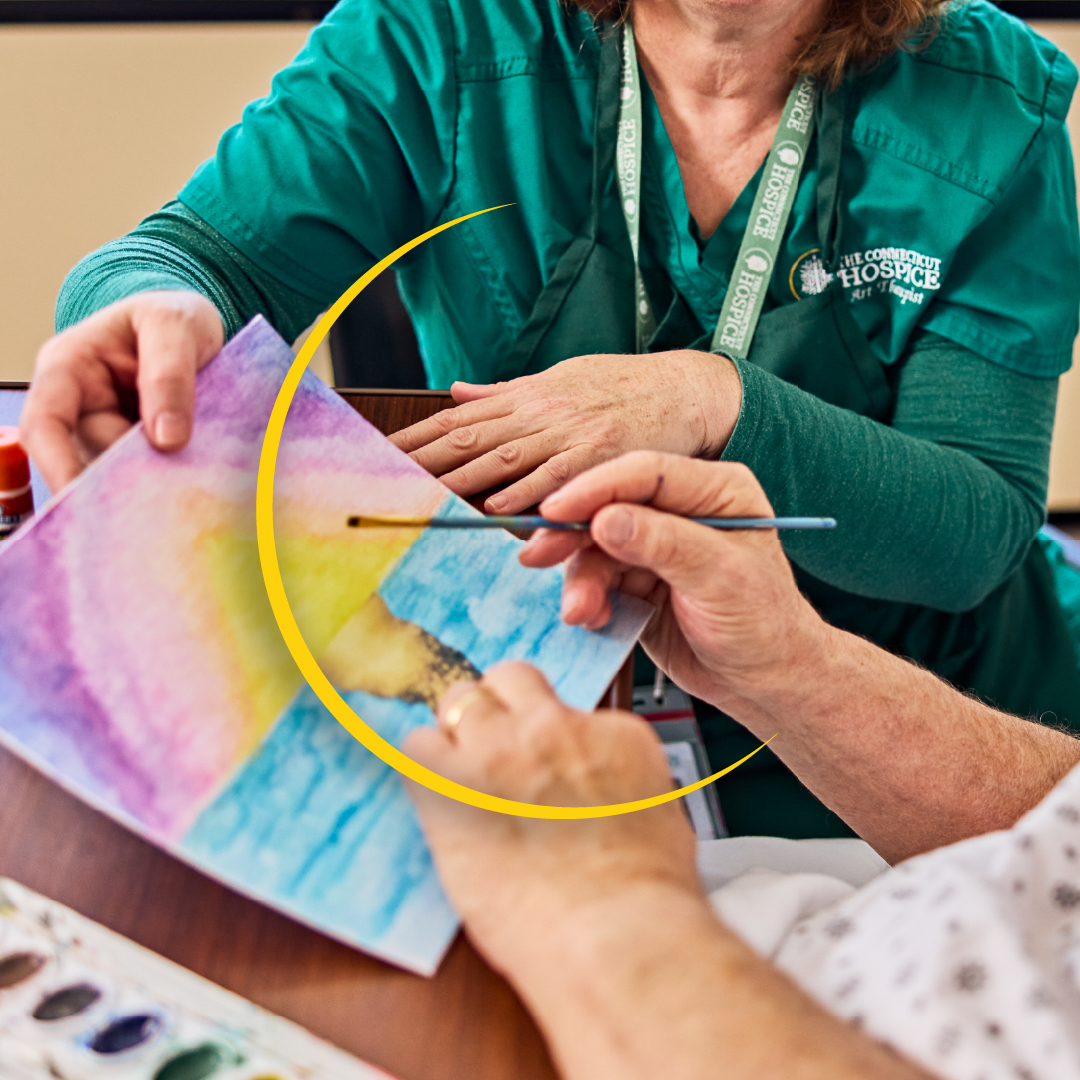
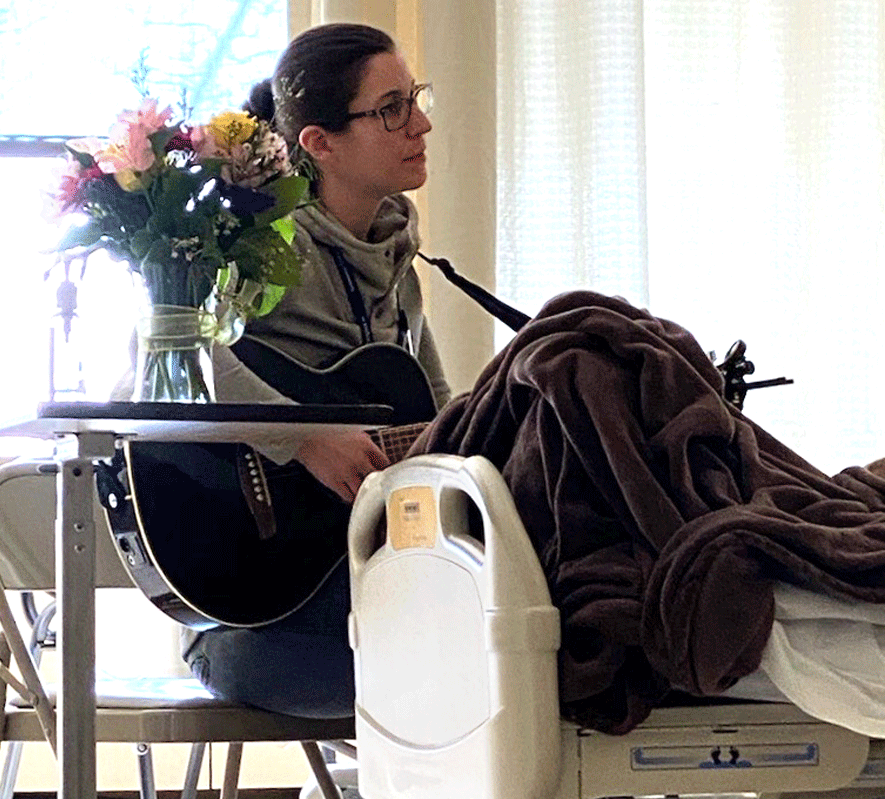
The story touched upon above is just one of many that speak to the impact the arts can have on patients receiving hospice and palliative care. At Connecticut Hospice, the integration of the arts is woven into the fabric of their care approach, ensuring that every patient and their loved ones have the opportunity to experience art, music, and other forms of creative expression. Whether it’s actively engaging in music and creating a piece of art or passively listening and watching, the arts can play a key role in fostering connection, comfort, and peace.
A Legacy of the Arts in End-of-Life Care
Connecticut Hospice can proudly celebrate its legacy as the first hospice founded in America, but its remarkable history extends beyond that. In 1979, they became pioneers in the provision of excellent end-of-life care once yet again by incorporating the arts into their interdisciplinary team approach, establishing one of the first Arts programs in hospice care. Since then, the Arts Program at Connecticut Hospice has only continued to grow, expanding its reach through a diverse team of art and music therapists, volunteers, students, and a highly skilled portrait artist.
Honoring Creative Arts Therapies Week
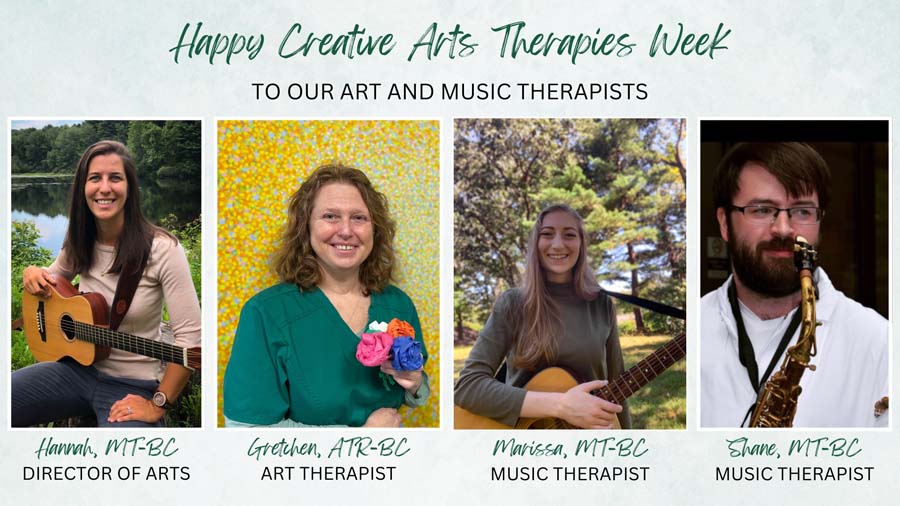
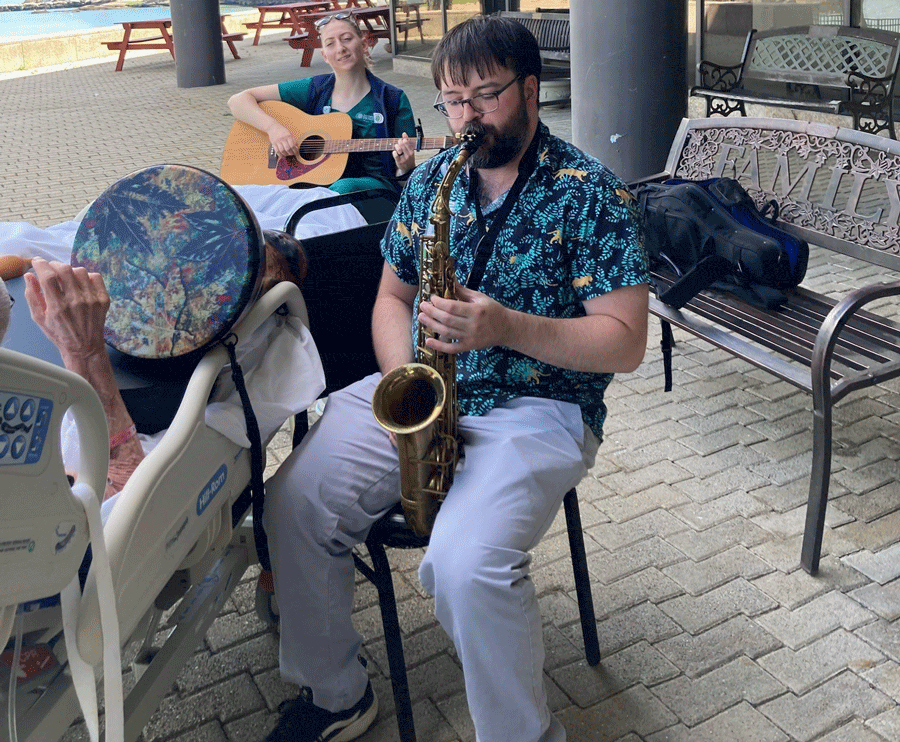
With Creative Arts Therapies Week falling in the third week of March, it’s the perfect opportunity to recognize the invaluable contributions of Connecticut Hospice’s art and music therapists, who work closely with patients and their families both at their inpatient facility and in the community. Their therapists are dedicated to enhancing quality of life for as long as life is lived. Through the power of art and music, they address goals that extend beyond artistic or musical achievements, focusing on emotional, mental, and spiritual well-being.
The Lasting Impact of Art and Music Therapy
Whether it’s using patient-preferred music to increase relaxation, collaborating with an art therapist to create a meaningful gift for a loved one, or helping patients express themselves by composing a song with a music therapist, their work promotes connection and healing. Hospice’s art and music therapists work to create a space where individuals can confront, explore, and articulate complex emotions while also finding creative ways to honor and celebrate a life lived. Ultimately, one of the most rewarding aspects of their work is helping provide patients and families with the chance to create lasting, positive memories, even in the most challenging of times.
Discover how the arts bring comfort, connection, and healing to hospice patients. Explore Connecticut Hospice’s Arts Program to see how you can support or get involved.