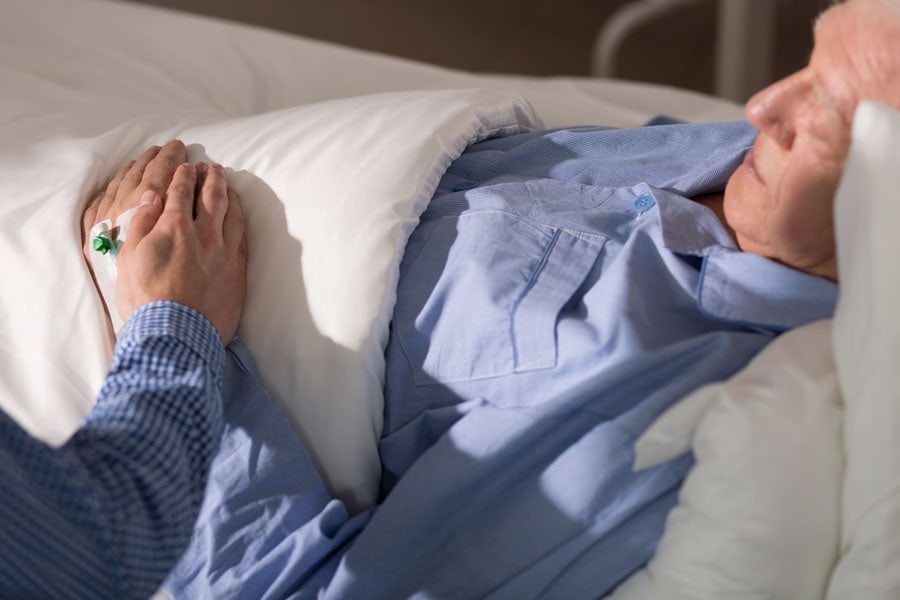

Anxiety is a common and very human response for people living with serious illness, especially as they approach the end of life. Facing physical changes, uncertainty, loss of independence, and concerns about loved ones can naturally give rise to fear, worry, or emotional distress. In hospice care, these feelings are understood not as failures of coping, but as part of the lived experience of terminal illness.
Read on to learn more about anxiety in hospice patients, including how it may present emotionally, physically, and cognitively; how hospice teams assess it; and the different ways this anxiety can be managed.

Important Takeaways
- Anxiety is common at the end of life. Often influenced by illness, symptoms, and feelings of uncertainty, it may show up emotionally, physically, behaviorally, or cognitively.
- Identifying and managing anxiety in hospice care requires careful consideration, individualized assessment, and attention to both emotional and physical sources of distress.
- With compassionate, team-based care, anxiety can often be eased, helping patients and their families feel more comfortable and at peace.
How Common Is Anxiety in Hospice Patients?
Available studies consistently show that emotional distress remains prevalent through the end of life. Across several studies of patients with advanced illness, including those enrolled in hospice care, anxiety-related symptoms—such as worry, nervousness, and restlessness—have been observed in roughly 40% to 70% of patients.
Research involving patients with cancer in their final weeks of life found anxiety symptoms present in more than 40% of individuals. At the same time, hospice providers frequently report observing worry and nervousness in a similar proportion of patients. Together, these findings underscore that anxiety is a common experience near the end of life.
It is worth noting that while terminal anxiety itself is widespread, formal anxiety disorders (marked by intense, excessive, and persistent worry and fear) are far less common in hospice patients. Most anxiety at the end of life is situational; it’s closely tied to physical symptoms, emotional losses, spiritual questions, and practical concerns.
Signs and Symptoms of Anxiety in Hospice Patients
End-of-life anxiety can appear in many different ways. For some patients, it may be subtle and intermittent. For others, it can be persistent and overwhelming. Recognizing how anxiety presents is an important first step in helping patients feel understood and supported.
Emotional and Psychological Symptoms
Anxiety in hospice patients often presents as a general sense of unease rather than a single, clearly defined fear. Patients may describe feeling that something is “wrong,” even if they can’t identify a specific cause.
Patients may experience:
- Worry, dread, or a sense of impending doom
- Apprehension or persistent unease
- Restlessness or difficulty relaxing
- Intrusive or recurring thoughts about health, loved ones, or the future
As illness progresses, anxiety often becomes more closely tied to uncertainty and loss of control. Patients may also experience:
- Feelings of helplessness or loss of independence
- Fear of what the dying process will involve
- Concerns about burdening loved ones or leaving things unfinished
Spiritual and existential concerns may also surface, including:
- Questions about meaning, purpose, or one’s life
- Fears about what comes after death
- A desire for a peaceful or “good” death
These worries can feel intrusive and exhausting, especially when layered on top of physical symptoms and fatigue.
Behavioral Symptoms and Terminal Agitation
Anxiety can affect behavior as well as emotions. Patients may exhibit:
- Avoidance or compulsive behaviors, such as repeated checking of doors and locks or excessive hand-washing
- Psychomotor agitation, such as pacing, wringing hands, tapping fingers or feet, rapid speech, or moving objects around without a clear purpose
Some patients respond to distress by trying to regain a sense of control through repetitive actions or avoidance. Others experience physical restlessness, making it difficult to sit still or relax. These behaviors are not intentional; they are best understood as outward signs of internal discomfort or fear.
In the final days of life, restlessness can become more pronounced. Terminal agitation (sometimes called “terminal restlessness” or “terminal delirium”) can involve:
- Increased movement
- Picking at fibers (bedding, clothing)
- Tugging on medical lines or equipment
- Noticeable changes in mood or behavior
These symptoms are often related to physical changes as the body begins to shut down. While they can be distressing to witness, they are a recognized part of the dying process and can be managed with attentive, comfort-focused hospice care aimed at easing distress for both patients and loved ones.
Autonomic (Physical) Symptoms
Anxiety can trigger physical responses in the body. Physical anxiety symptoms in hospice patients may include:
- Sweating
- Nausea
- Diarrhea
- Dizziness
- Rapid heart rate
- Rapid breathing
These reactions are part of the body’s natural stress response and may overlap with symptoms caused by illness or medication side effects, making them difficult to distinguish.
Because physical discomfort can intensify anxiety, and anxiety can, in turn, worsen physical symptoms, hospice teams carefully assess both together. Addressing pain, shortness of breath, and other sources of physical distress often helps ease anxiety at the same time.
Cognitive and Decision-Making Symptoms
Anxiety can interfere with thinking, concentration, and decision-making, particularly as illness progresses. Patients may experience symptoms such as:
- Trouble focusing or processing information
- Appearing confused or disoriented
- Asking the same questions repeatedly
- Difficulty making decisions or changing decisions frequently
- Expressing suspicion or mistrust toward family members or hospice staff
These changes can be unsettling for both patients and loved ones. In many cases, they reflect fear, overwhelm, or the effects of illness rather than a patient’s true beliefs or intentions.
Hospice teams respond with patience, reassurance, and clear and repeated communication. By creating a calm, supportive environment and adjusting care as needed, hospice providers help patients feel safer, more grounded, and better understood during a challenging time.
Assessing Anxiety in Hospice Patients
Anxiety is common in patients with serious illness, but they do not always express it directly. Many focus on physical discomfort or practical concerns, rather than naming emotional distress. For hospice teams, recognizing anxiety requires careful listening, thoughtful observation, and an understanding that anxiety often appears in indirect ways.
Additionally, anxiety frequently overlaps with symptoms such as pain, shortness of breath, fatigue, or medication side effects—and anxiety itself can worsen these symptoms. Because anxiety both influences and is influenced by other aspects of a patient’s condition, assessment in hospice care is ongoing and individualized, rather than one-time or checklist-based.
Listening for Signs of Anxiety
Patients may signal anxiety through everyday language, rather than direct statements. Words such as “scared,” “worried,” “nervous,” or “concerned” often point to underlying distress. Changes in behavior, increased restlessness, or repeated focus on specific fears can also provide important clues.
Hospice caregivers are trained to listen beyond symptoms alone, paying attention to tone, repeated concerns, and emotional cues. This attentive approach helps ensure anxiety is recognized and addressed with compassion, rather than overlooked or mistaken for purely physical discomfort.
Formal Screening Methods
Hospice clinicians may use validated screening tools to help identify anxiety and depression, particularly when symptoms are difficult to describe or overlap with physical illness. Short questionnaires, like the Patient Health Questionnaire for Depression and Anxiety (PHQ-4) and General Anxiety Disorder Scale (GAD-7), can provide additional insight into a patient’s emotional state and help guide care planning.
Screening results inform next steps, such as whether further evaluation is needed or whether anxiety may benefit from medication, counseling, or other supportive measures. These tools are used as part of a broader, ongoing assessment alongside clinical judgment, patient conversations, and family input.
Anxiety Related to Underlying Symptoms
Anxiety is not always driven primarily by emotional or psychological distress. In many hospice patients, it may be triggered or worsened by unmanaged physical symptoms—particularly in individuals with no prior history of anxiety or in those who do not respond as expected to anxiety-focused treatments.
For example, difficulty breathing can provoke intense fear or panic, which often improves when the underlying symptom is effectively treated. Hospice teams carefully evaluate these connections, recognizing that relieving physical distress frequently eases anxiety as well.
Anxiety Overlapping With Delirium
In addition to depression, symptoms of anxiety may overlap with delirium, making careful assessment for this condition important. Patients with delirium, for example, can show poor sleep and inattention or difficulty focusing, which may also be seen in anxiety.
Unlike patients with anxiety, however, those experiencing delirium typically also have disordered thoughts (such as hallucinations and delusions), disturbed consciousness (excessive lethargy, hyper-alertness, or both), and altered cognition, which are rarely seen in anxiety.

Managing Anxiety in Hospice Patients
Managing anxiety in hospice care requires a thoughtful, individualized approach—one that focuses on understanding the whole person and addressing the underlying causes of distress alongside emotional support.
Therapeutic Support
Once anxiety is identified, support often begins with simply sitting with the patient and listening—creating a space to explore fears, concerns, and unanswered questions. Hospice care addresses anxiety through a team-based approach, drawing on the expertise of different professionals:
- A physician may provide reassurance about pain, symptom control, or what to expect as illness progresses.
- A social worker may help address practical concerns, such as finances, caregiving arrangements, or unfinished documents.
- A chaplain may support patients as they navigate spiritual questions, faith, or concerns about meaning and legacy.
Therapeutic support in hospice is always tailored to the individual. The goal is not to eliminate fear or worry entirely, but to reduce stress, improve comfort, and help patients feel heard, supported, and more at ease during this stage of life.
Adjunctive Therapies
In addition to therapeutic and medical support, complementary approaches and lifestyle adjustments may also help ease anxiety for some hospice patients.
- Gentle movement or light exercise, when appropriate, can support relaxation and well-being.
- Massage and other calming touch therapies can promote comfort.
- Reducing alcohol and caffeine intake may lessen restlessness or sleep disruption.
Improving sleep is an integral part of anxiety management. Hospice teams work with patients and families to create soothing routines and environments that support rest, recognizing that even minor adjustments can make a meaningful difference in comfort and emotional ease.

Medications for Anxiety Relief
When anxiety causes significant distress or interferes with comfort, medications may be used as part of a broader, individualized care plan. In hospice care, medication decisions are guided by each patient’s symptoms, overall condition, and goals of care, with a focus on maximizing comfort and quality of life.
Antidepressants
For patients experiencing both anxiety and depression (or whose anxiety is closely tied to depression), antidepressant medications may provide relief. These may include selective serotonin reuptake inhibitors (SSRIs), such as escitalopram (Lexapro ©), among other options. Because antidepressants typically require several weeks to become effective, a patient’s prognosis is central to the decision to initiate therapy.
Benzodiazepines
Benzodiazepines are commonly used in hospice care for the rapid relief of anxiety. They can be very effective when symptoms are acute or distressing.
Medications in this class include:
- Lorazepam (Ativan ©)
- Clonazepam (Klonopin ©)
- Alprazolam (Xanax ©)
- Diazepam (Valium ©)
The choice of medication is guided by factors such as how quickly relief is needed, how long the medication lasts, and how the body processes it.
- Lorazepam is often used because of its relatively short duration of action (4 hours) and lack of active metabolites, making its effects more predictable for many patients.
- Diazepam has a longer duration of action (12–24 hours), which may be helpful in some situations. However, the presence of active metabolites can lead to cumulative effects over time.
Responses to benzodiazepines vary widely. Lorazepam, for example, may unexpectedly increase anxiety or cause agitation and delirium in some patients. When this occurs, hospice teams adjust treatment promptly (either by changing medications or exploring alternative approaches) to ensure comfort and safety.
Supporting Comfort, Calm, and Peace of Mind
Anxiety is a commonly and deeply human part of the hospice experience—but it does not have to be faced alone. With attentive listening, thoughtful assessment, and a whole-person approach to care, hospice teams can help ease distress and support greater comfort, calm, and peace of mind for both patients and families.
At The Connecticut Hospice, anxiety is addressed with compassion, clinical expertise, and respect for each individual’s physical, emotional, and spiritual needs. If you have any concerns about anxiety—your own or a loved one’s—or would like to learn more about how hospice care can help, our team is here to listen.
Reach out today to speak with a member of our team. We’re here to support you, answer your questions, and help you navigate what comes next with clarity and care.